Only 11% of organizations were totally paperless in 2024, yet most leaders feel the pressure to control risk, reduce physical storage, and support hybrid work. Document scanning services provide a secure, compliant path to move from paper-heavy processes to reliable digital access. In this guide, we explain when scanning makes business sense, how secure document scanning actually works, and how to integrate it with secure offsite storage and secure document shredding for a complete records lifecycle.
Key Takeaways
| Question | Answer |
|---|---|
| What are document scanning services? | Professional services that convert paper records into indexed, searchable digital files, typically combined with secure offsite storage and certified destruction for unneeded originals. |
| When should a business invest in scanning? | When you struggle with retrieval time, compliance risk, lack of office space, or hybrid/remote access needs. A structured review, such as a Free Records Program Audit, helps determine scope and priorities. |
| How secure is professional document scanning? | Enterprise-grade providers use chain of custody tracking, access controls, monitored facilities, and encrypted delivery to ensure secure document scanning for sensitive records. |
| What happens to paper after scanning? | Depending on your retention and compliance needs, documents are either returned, stored in secure offsite storage, or destroyed through secure document shredding with certified destruction. |
| How does scanning reduce costs? | Scanning helps cut physical storage expenses, reduce time spent locating files, minimize compliance penalties, and free up valuable office space for higher value work. |
| Is scanning suitable for my industry? | Yes. Healthcare, legal, financial, manufacturing, government, and education all rely on scanning to manage large volumes of sensitive records under strict compliance requirements. |
| Where should I start? | Begin with an assessment of your current records lifecycle, including storage, scanning, and shredding, then define a phased roadmap based on risk and value. |
1. What Are Document Scanning Services and Why Businesses Rely On Them
Document scanning services convert physical paper records into organized, searchable digital information. Instead of filing cabinets and storage rooms, your business gains controlled, electronic access to contracts, HR files, medical records, invoices, and more.
We approach scanning as part of a unified records strategy, not a standalone project. The goal is to improve retrieval speed, strengthen security, and align with your retention and compliance requirements, while integrating with secure offsite storage and secure document shredding where appropriate.


2. When Your Business Should Use Document Scanning Services
Most organizations do not need to digitize every piece of paper at once. Instead, it is more effective to focus scanning on the records that drive daily operations, compliance exposure, or customer experience. We help clients prioritize by business function, age of records, and regulatory risk.
Scanning is especially valuable when you are planning an office move, consolidating locations, supporting more remote work, or facing an audit. In those situations, fast and secure access to digital records can prevent costly delays and compliance issues.

3. How Secure Document Scanning Works, Step by Step
A professional scanning project follows a structured and auditable process. The objective is to protect the confidentiality and integrity of your records at every step, from pickup to digital delivery.
Typical Secure Scanning Workflow
- Assessment and scope: We review your inventory, retention rules, and access needs to define which records to scan and how to index them.
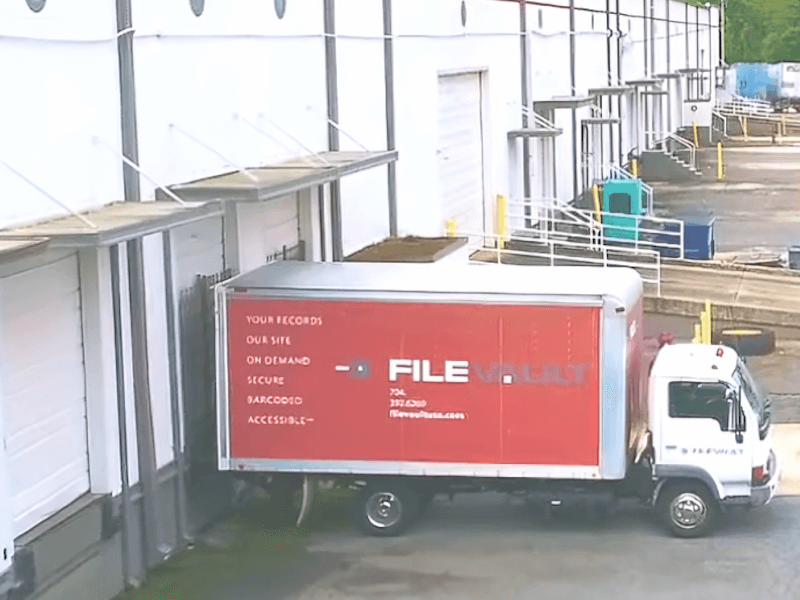
- Secure pickup and transport: Trained staff collect documents, record box-level details, and transport them in secure, tracked vehicles.
- Preparation and indexing: We remove staples, repair pages, and apply indexing rules so you can search by fields such as client, date, or document type.
- High-quality scanning: Documents are scanned using commercial-grade scanners, with image quality checks and OCR to create searchable files.
- Quality control and delivery: We review sample batches, correct errors, then deliver files via secure transfer or upload into your chosen system.
After scanning, originals can either be returned, placed into secure offsite storage, or sent for secure document shredding with certified destruction, depending on your retention requirements.

4. Integrating Scanning With Secure Offsite Storage
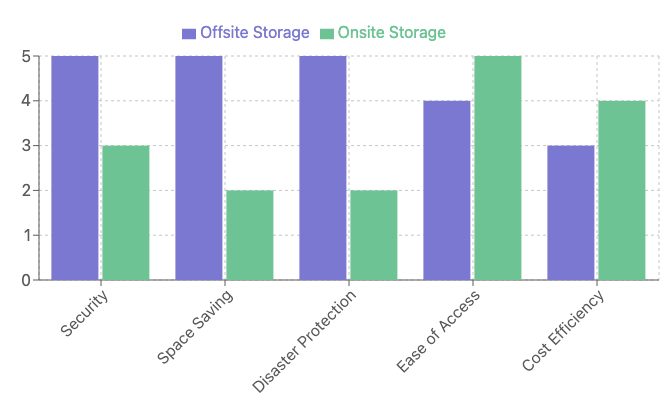
In many cases, the most efficient approach is a hybrid of scanning and secure offsite storage. Not every record needs immediate digitization, but it does need to be protected, cataloged, and easily retrievable. We store physical files in climate-controlled, access-controlled facilities and provide scan-on-demand when you need a specific document.
This model lets you spread scanning costs over time. Active files can be scanned upfront, while archival records are stored securely and scanned only when accessed. You gain security and compliance from secure offsite storage while still improving digital access where it matters most.
5. Security, Compliance, and Chain of Custody in Scanning
For regulated industries, document scanning must support strict security and audit requirements. Our facilities are monitored 24/7, with controlled access, visitor logging, and documented procedures for handling sensitive information. Every movement of your records is recorded to maintain a defensible chain of custody.
We also align scanning and storage processes with your retention schedules and compliance mandates. Once records reach end of life, we provide secure document shredding with certified destruction so you can prove that data was destroyed securely and on time.
6. Benefits of Document Scanning for Business Operations
Well planned document scanning programs deliver measurable operational benefits. Staff spend less time searching for files, hybrid teams gain secure access from any location, and you can standardize how information is captured and used across departments. This reduces errors, duplication, and lost documents.
Scanning also supports incident response and audits. When key records are digital, you can quickly search and export the information required by regulators, legal teams, or customers, instead of sorting through boxes or offsite file rooms.
| Benefit Area | Impact of Scanning |
|---|---|
| Space and facilities | Reduces on-site storage and filing equipment, enabling better use of office space. |
| Productivity | Speeds up retrieval and sharing of documents, especially for remote and field teams. |
| Risk and compliance | Improves control over sensitive records and simplifies response to audits and legal holds. |
| Customer and patient service | Enables faster, more accurate responses with immediate access to complete records. |

7. Choosing the Right Mix: Scan Everything or Scan on Demand?
One of the most common questions we receive is whether a business should scan all legacy records or focus on a subset. The answer depends on your usage patterns, compliance requirements, and budget. For many organizations, a hybrid approach delivers the best balance of cost and control.
A typical strategy is to scan high value and high access records immediately, such as current patient charts, active legal files, or current-year finance documents. Older, low-access records are placed into secure offsite storage, then scanned on demand only when requested.
8. Linking Scanning With Secure Document Shredding and Certified Destruction
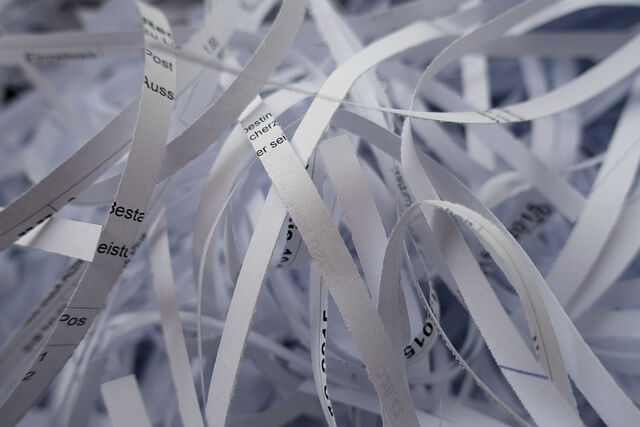
Scanning is only one stage of the document lifecycle. Once items are digitized and retention periods are met, they must be disposed of in a controlled and documented way. Secure document shredding with certified destruction closes that loop and prevents unauthorized access to obsolete records.
Our offsite shredding services are designed for high volumes and strict security. We collect documents in locked containers, transport them to a secure facility, shred them using industrial equipment, and provide a Certificate of Destruction that is suitable for audits and legal defense.
9. Integrated Records Management: Scanning As Part of a Unified Program
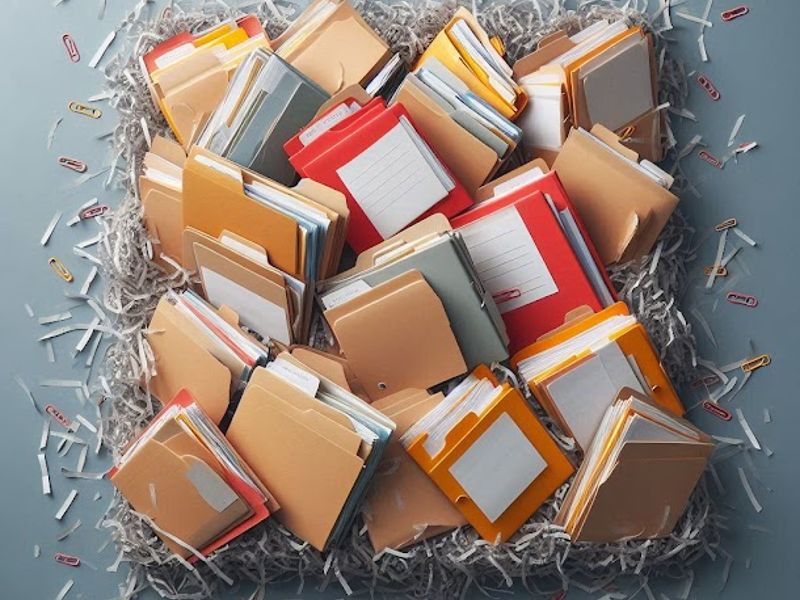
Document scanning delivers the most value when it is integrated into an overall records management program. This includes policy-driven storage, digital access, and certified destruction, all governed by consistent retention schedules and access controls. We help organizations create a unified view of their information, regardless of format.
An integrated approach means you can track where every record lives, how long it must be kept, who can access it, and how it will be destroyed. Scanning is no longer a one-time project, it becomes a controlled, repeatable process that supports compliance and daily operations.
10. Planning Your Scanning Project: Assessment, Scope, and Next Steps
The most effective way to start a document scanning initiative is with a structured assessment of your current records lifecycle. We examine how you create, store, access, and dispose of information today, then identify practical opportunities to use secure document scanning, secure offsite storage, and secure document shredding to reduce risk and cost.
Not sure where to start? Claim Free Records Program Audit to understand your current gaps and build a roadmap that fits your budget, compliance obligations, and operational priorities.

Conclusion
Document scanning services give organizations a practical way to reduce paper dependency while strengthening security, compliance, and efficiency. By combining secure document scanning with secure offsite storage and certified destruction, you gain full control over the entire lifecycle of your records.
Whether you are preparing for an audit, consolidating facilities, or simply ready to modernize how your teams access information, a well planned scanning program can deliver lasting value. We design tailored approaches that reflect your industry, risk profile, and budget so you can move forward with confidence.
Get a custom quote: If you are ready to explore a secure, compliant document scanning solution for your organization, Get a custom quote and we will help you define the right path for your records.